
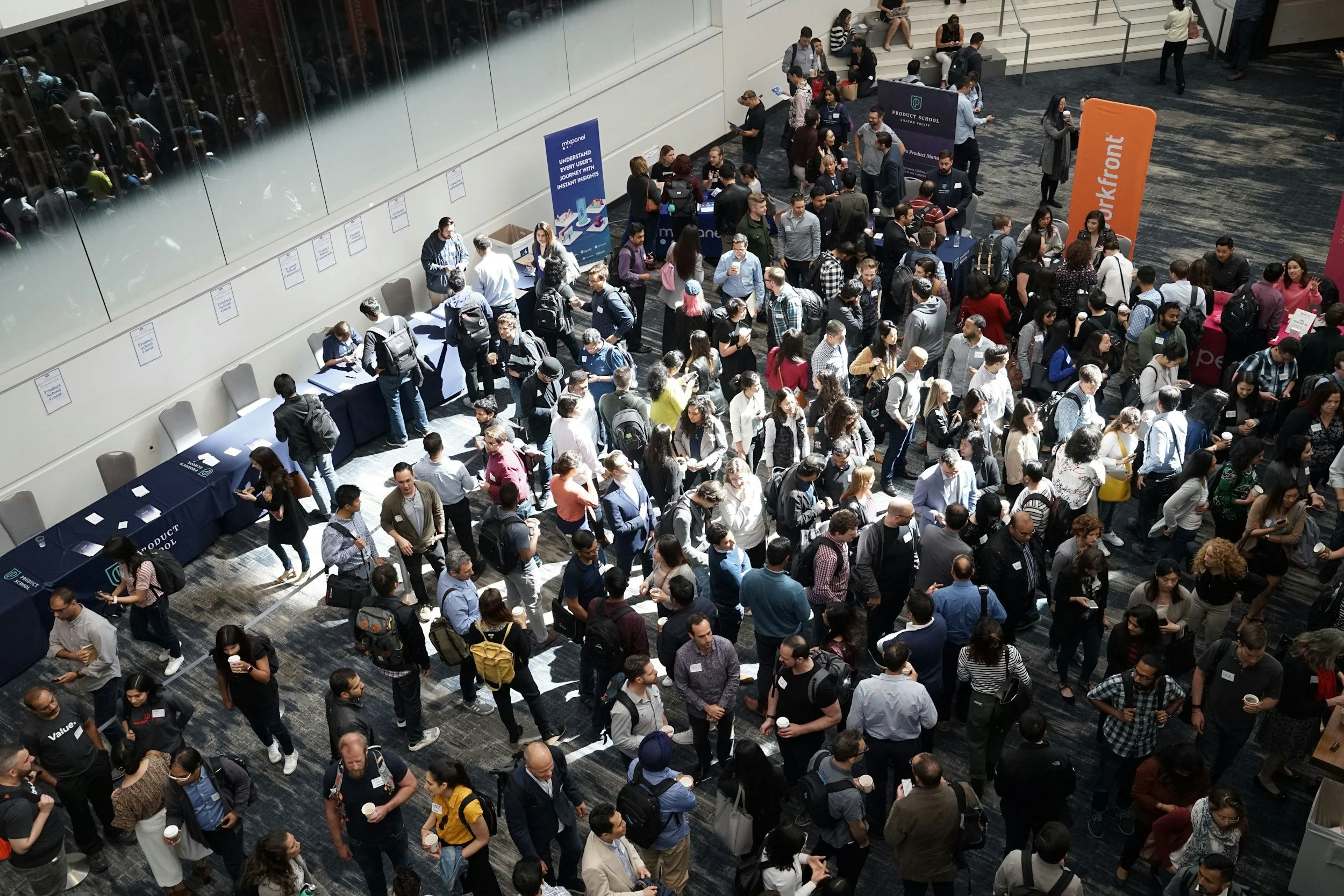
Event marketing is one of the most high-impact ways to grow brand visibility and connect directly with your audience. But showing up with a table and a logo isn’t enough. From pre-event planning to post-event follow-up, success depends on smart preparation, in-the-moment flexibility, and intentional execution at every stage.
1. Prep: Get the Details Right Early
A smooth event starts with solid prep. It’s not just about packing materials—it’s about anticipating problems and setting your team up for success.
Even a small oversight can throw everything off. That’s why experienced teams rely on checklists, mock setups, and backup plans to make sure nothing’s missed.
Essentials to cover before every event:
Table setup plan – Know your layout before you arrive. A clear plan helps the display look polished and saves time during setup.
When the layout isn’t always planned ahead of time—especially in an unfamiliar space—teams often end up scrambling to fix the setup last-minute. That means missed opportunities and more stress during go-time.
Tech preparedness – While on site, make sure that you have back up cables, access to Wifi and IT help available in case any unexpected issues arise.
Branding consistency – Matching apparel, branded signage, and cohesive visuals all signal professionalism and make your booth more memorable.
Build a checklist – A detailed checklist helps avoid day-of surprises. Run through it the night before so nothing essential—chargers, a pair of scissors, a black sharpie, giveaways, display items, business cards, a means of collecting contact information from visitors, and even snacks—gets left behind.
2. Pre-Marketing: Build Momentum Early
Promoting your presence before the event is just as important as showing up. Strategic pre-marketing helps generate buzz, drive foot traffic, and get your audience excited.
Here’s a breakdown of what to post—and when:
As soon as it’s official
Announce that you’ll be at the event. Share the name, date, and location.
Early notice gives people time to plan and gets the event on their radar.
2–3 weeks before
Post a reminder (or two) with updated details.
Share a sneak peek of what you’re prepping to build curiosity and anticipation.
1 week before
By now, people are ready to make plans. Remind them what day you’ll be there and where to find you (booth #, near the buffet, etc.).
Post behind-the-scenes content: packing inventory, setting up mock displays, etc. It builds investment and keeps the momentum going.
The day before
Final reminder with all key info: time, location, booth details.
Reshare flyers, directions, or FAQs to help people plan their visit.
Day of (or each day of a multi-day event)
Post photos or videos of your booth setup coming together.
Tag the location and event.
Show off the display, the crowd, or anything that’s pulling people in.
Cross-post on platforms like Instagram, Facebook and LinkedIn. Repetition is encouraged—visibility is the goal.
3. During the Event: Make Every Moment Count
Once the event starts, your focus shifts to presence. Strong prep meets real-time execution, and your booth becomes the face of your brand. Make sure whomever is manning the booth is knowledgeable and engages your attendees!
How to stand out:
Be active, not passive
Don’t wait for people to approach. Make eye contact, start conversations, and keep the energy up.Post content throughout the day
Use Stories, Reels, and tags to stay visible. Show what’s happening at your booth and let people know they can still stop by.Capture the moment
Take photos and videos you can use later. A full booth, a great conversation, or a clean product shot all work.Promote live offers
Running a special deal or giveaway? Talk about it. Post updates and keep the energy going.Be ready to pivot
Things go wrong—pens die, devices glitch, signage falls. Quick thinking and calm improvisation help you stay in control and on brand.
Events are fast-paced. The brands that stay sharp and adaptable are the ones people remember.
4. Follow-Up: Keep the Momentum Going
The event might be over, but the opportunity isn’t. Post-event follow-up helps you build on the connections you made and maximize your impact.
Here’s how to follow through:
Share a recap
Post photos, tag the event, and thank people for stopping by. Give a shoutout to anyone who helped make it happen.Reach out to new contacts
Follow up with leads while the memory is fresh. A thank-you message or post-event promo can help move the relationship forward.Review what worked
Take time to evaluate. What drew attention? What needs tweaking? Small changes can make a big difference next time.
Events don’t just build exposure—they build momentum. A strong follow-up strategy helps you carry it forward.
Event marketing isn’t just about showing up—it’s about making every interaction count. When each phase is planned and executed with intention, the result isn’t just foot traffic—it’s brand loyalty, engagement, and long-term value that extends well beyond the event floor.
Need help planning your next great marketing strategy? Our team specializes in comprehensive strategies that turn moments into momentum. Let’s talk.